The Week of the Young Child is an annual celebration of early learning, young children, their families, and teachers.
Established in 1971 by the National Association for the Education of Young Children (NAEYC), the Week of the Young Child is a time to recognize the importance of early childhood education and to promote the well-being of all young children.
During the Week of the Young Child, communities across the country host a variety of activities and events to celebrate young children and their families. These events may include story times, art projects, field trips, and other fun and educational activities.
Week of the Young Child 2024 Activities
The Week of the Young Child is an annual celebration of early learning, young children, their families, and teachers. It is a time to recognize the importance of early childhood education and to promote the well-being of all young children.
- Learning: The Week of the Young Child is a time to celebrate the joy of learning and to promote the importance of early childhood education.
- Play: Play is essential for the healthy development of young children. It helps them to learn, grow, and socialize.
- Family: Families play a vital role in the lives of young children. They provide love, support, and guidance.
- Community: Communities can support young children and their families by providing access to quality early childhood education programs, health care, and other essential services.
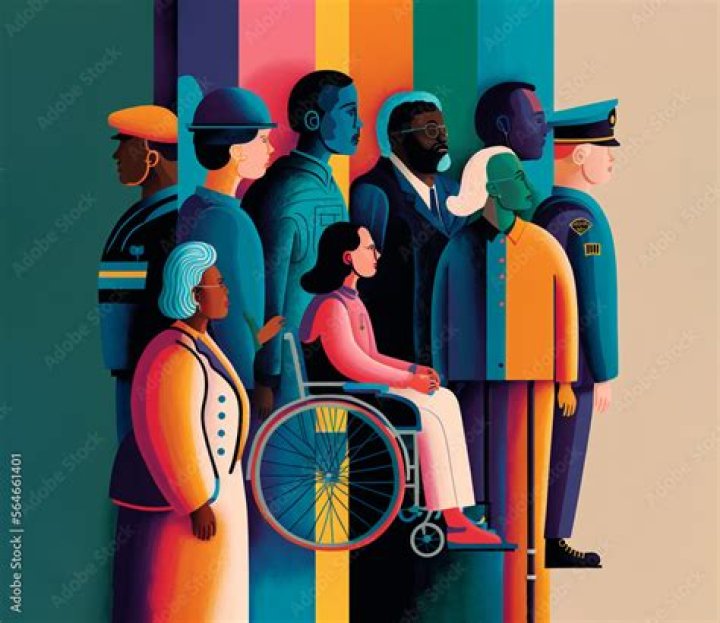
- Diversity: The Week of the Young Child is a time to celebrate the diversity of young children and their families. All children deserve to have the opportunity to succeed, regardless of their race, ethnicity, gender, or socioeconomic status.
- Inclusion: All children should be included in the Week of the Young Child celebrations. Children with disabilities should have the opportunity to participate in all activities.
- Advocacy: The Week of the Young Child is a time to advocate for policies that support young children and their families.
- Celebration: The Week of the Young Child is a time to celebrate the joy and wonder of childhood.
- Fun: The Week of the Young Child should be a fun and enjoyable experience for all involved.
These are just a few of the key aspects of the Week of the Young Child. By working together, we can create a world where all young children have the opportunity to thrive.
Learning
Early childhood education is the foundation for a child's future success. It provides children with the skills and knowledge they need to succeed in school and in life. The Week of the Young Child is a time to celebrate the importance of early childhood education and to promote the joy of learning.
During the Week of the Young Child, communities across the country host a variety of activities and events to celebrate young children and their families. These events may include story times, art projects, field trips, and other fun and educational activities. These activities help children to learn and grow, and they also help to promote the importance of early childhood education.
The Week of the Young Child is a time to celebrate the joy of learning and to promote the importance of early childhood education. By providing children with access to quality early childhood education programs, we can help them to reach their full potential and succeed in school and in life.
Play
Play is an essential part of the Week of the Young Child. It is a time for children to explore, learn, and grow. Play helps children to develop their physical, cognitive, and social skills. It also helps them to learn how to interact with others and to solve problems.
During the Week of the Young Child, communities across the country host a variety of activities and events that promote play. These events may include story times, art projects, field trips, and other fun and educational activities. These activities help children to learn and grow, and they also help to promote the importance of play.
The Week of the Young Child is a time to celebrate the importance of play and to promote the joy of learning. By providing children with access to quality play opportunities, we can help them to reach their full potential and succeed in school and in life.
Family
Families are the foundation of a child's life. They provide the love, support, and guidance that children need to grow and develop. During the Week of the Young Child, we celebrate the importance of families and their role in early childhood education.
- Nurturing Environment: Families provide a nurturing environment for children to learn and grow. They provide children with the love, attention, and encouragement they need to thrive.
- Role Models: Parents and other family members are important role models for children. They teach children about values, morals, and how to behave. Children learn by watching the adults in their lives, so it is important for families to set a positive example.
- Advocates: Families are also advocates for their children. They speak up for their children's needs and ensure that they have access to quality education and other resources.
Families play a vital role in the success of young children. By providing love, support, and guidance, families help children to reach their full potential.
Community
Communities play a crucial role in the well-being of young children and their families. By providing access to quality early childhood education programs, health care, and other essential services, communities can help to ensure that young children have the opportunity to reach their full potential.
- Quality Early Childhood Education Programs: Access to quality early childhood education programs is essential for the healthy development of young children. These programs provide children with the cognitive, social, and emotional skills they need to succeed in school and in life. Communities can support young children and families by providing funding for early childhood education programs and by ensuring that these programs are high-quality.
- Health Care: Access to quality health care is also essential for the well-being of young children. Regular checkups and screenings can help to identify and treat health problems early on, and they can also help to prevent future health problems. Communities can support young children and families by providing funding for health care programs and by ensuring that these programs are accessible to all families.
- Other Essential Services: In addition to early childhood education programs and health care, communities can also support young children and families by providing access to other essential services, such as housing, nutrition, and transportation. These services can help to ensure that young children and their families have the resources they need to thrive.
By providing access to quality early childhood education programs, health care, and other essential services, communities can help to create a supportive environment for young children and their families. This support can help children to reach their full potential and succeed in school and in life.
Diversity
The Week of the Young Child is a time to celebrate the diversity of young children and their families. All children deserve to have the opportunity to succeed, regardless of their race, ethnicity, gender, or socioeconomic status. This means providing all children with access to quality early childhood education, health care, and other essential services.
- Equity: All children deserve to have an equal opportunity to succeed, regardless of their background. This means providing all children with access to the resources they need to succeed, such as quality early childhood education, health care, and nutrition.
- Inclusion: All children should feel welcome and included in the Week of the Young Child celebrations. This means creating activities and events that are accessible to all children, regardless of their abilities or backgrounds.
- Representation: It is important to have diverse representation in the Week of the Young Child activities. This means including children of all races, ethnicities, genders, and socioeconomic statuses in the activities and events.
- Respect: All children should be treated with respect, regardless of their differences. This means listening to children's voices and valuing their perspectives.
By celebrating diversity during the Week of the Young Child, we can help to create a more equitable and inclusive world for all children.
Inclusion
Inclusion is a fundamental principle of the Week of the Young Child. All children, regardless of their abilities or backgrounds, should have the opportunity to participate in all activities and events. This means creating an environment that is welcoming and supportive of all children.
- Accessibility: All activities and events should be accessible to children with disabilities. This may mean providing ramps, interpreters, or other accommodations.
- Representation: It is important to have children with disabilities represented in all activities and events. This helps to create a sense of belonging and shows children with disabilities that they are valued members of the community.
- Respect: All children should be treated with respect, regardless of their abilities or disabilities. This means listening to children's voices and valuing their perspectives.
- Collaboration: It is important to collaborate with parents and caregivers of children with disabilities to ensure that their needs are met. This may mean providing additional support or making changes to activities to make them more inclusive.
By making the Week of the Young Child inclusive, we can help to create a more equitable and just world for all children.
Advocacy
Advocacy is a critical component of the Week of the Young Child. It is a time to raise awareness about the importance of early childhood education and to advocate for policies that support young children and their families. These policies can include increased funding for early childhood education programs, paid family leave, and affordable housing.
There are many ways to advocate for young children and their families. One way is to contact your elected officials and let them know your views on early childhood education. You can also volunteer your time at a local early childhood education center or donate to an organization that supports early childhood education.
Advocacy is essential to ensuring that all young children have the opportunity to reach their full potential. By advocating for policies that support young children and their families, we can create a better future for all.
Celebration
The Week of the Young Child (WOYC) is an annual celebration of early childhood education and young children. It was created in 1971 by the National Association for the Education of Young Children (NAEYC) and is now celebrated in all 50 states. WOYC is a time to raise awareness about the importance of early childhood education and to celebrate the joy and wonder of childhood.
There are many ways to celebrate WOYC. Some popular activities include:
- Hosting a story time at your local library.
- Organizing a field trip to a local museum or zoo.
- Putting on a puppet show or other performance for young children.
- Volunteering at a local child care center or preschool.
- Simply spending time with young children and enjoying their company.
Celebrating WOYC is important because it helps to raise awareness about the importance of early childhood education. It also helps to build community and to show young children that they are valued and loved.
Fun
The Week of the Young Child (WOYC) is an annual celebration of early childhood education and young children. It is a time to raise awareness about the importance of early childhood education and to celebrate the joy and wonder of childhood.
- Engaging Activities: WOYC activities should be engaging and fun for all children. This can include activities such as story time, arts and crafts, music, and movement. These activities help children to learn and grow while also having fun.
- Positive Environment: The environment at WOYC events should be positive and welcoming. Children should feel comfortable and safe to participate in activities and to interact with others. A positive environment helps children to learn and grow.
- Variety of Activities: WOYC should offer a variety of activities to appeal to all children. This can include indoor and outdoor activities, as well as activities for different age groups. A variety of activities helps to ensure that all children can find something they enjoy.
- Community Involvement: WOYC is a great opportunity for the community to come together and celebrate young children. Community involvement helps to build a sense of belonging and support for young children and their families.
By providing fun and engaging activities, creating a positive environment, offering a variety of activities, and encouraging community involvement, we can ensure that the Week of the Young Child is a fun and enjoyable experience for all involved.
FAQs on Week of the Young Child 2024 Activities
The Week of the Young Child (WOYC) is an annual celebration that recognizes the importance of early childhood education and promotes the well-being of all young children. Observed in the United States since 1971, WOYC takes place each year in April and is celebrated in various ways across the country.
Question 1: What is the purpose of the Week of the Young Child?
Answer: WOYC aims to highlight the critical role of early childhood education in shaping young children's lives. It provides an opportunity to recognize the efforts of educators and caregivers who support young children's development and well-being.
Question 2: What types of activities are typically held during WOYC?
Answer: WOYC activities vary widely and may include story time sessions, art and music activities, field trips, health screenings, and family engagement events. These activities aim to promote learning, creativity, and social interactions among young children.
Question 3: Who is involved in planning and hosting WOYC events?
Answer: WOYC events are typically organized by a collaborative effort involving early childhood educators, community organizations, businesses, and volunteers. The National Association for the Education of Young Children (NAEYC) provides resources and support for WOYC celebrations nationwide.
Question 4: How can families participate in WOYC activities?
Answer: Families are encouraged to participate in WOYC by attending local events, volunteering their time, or simply engaging in activities that promote their children's learning and development. Families can also visit the NAEYC website for ideas and resources on how to celebrate WOYC at home.
Question 5: What is the significance of WOYC for young children?
Answer: WOYC provides young children with opportunities to interact with their peers, explore new experiences, and develop their cognitive, social, and emotional skills. It also helps children feel valued and recognized, contributing to their overall well-being.
Question 6: How can the community benefit from WOYC?
Answer: WOYC fosters a sense of community by bringing together families, educators, and organizations that support young children. It raises awareness about the importance of early childhood education and encourages collaboration to improve the lives of young children and their families.
The Week of the Young Child serves as a reminder of the profound impact that early childhood experiences have on the lives of children. By engaging in WOYC activities, we can collectively contribute to the development and well-being of our youngest citizens.
For more information and resources on the Week of the Young Child, visit the NAEYC website at
Tips to Enhance Week of the Young Child 2024 Activities
The Week of the Young Child (WOYC) is an annual celebration of the importance of early childhood education and young children's well-being. By implementing effective strategies, communities can maximize the impact of WOYC activities and create meaningful experiences for young children.
Tip 1: Plan Developmentally Appropriate ActivitiesDesign activities that align with the developmental needs and interests of young children. Incorporate hands-on learning, imaginative play, and opportunities for social interaction to foster their cognitive, physical, and social-emotional development.
Tip 2: Foster Inclusivity and AccessibilityEnsure that all children, regardless of their abilities or backgrounds, have equitable access to WOYC activities. Provide accommodations and modifications to ensure participation and engagement for children with diverse needs.
Tip 3: Engage Families and Community PartnersCollaborate with families and community organizations to create a shared vision for WOYC. Invite families to participate in planning and hosting activities, and seek partnerships with local businesses, libraries, and museums to enrich the experiences for young children.
Tip 4: Promote Early Literacy and Language DevelopmentIncorporate activities that encourage early literacy and language development, such as storytelling, book readings, and interactive games. By exposing young children to language-rich environments, we can foster their communication and cognitive skills.
Tip 5: Highlight the Importance of Early Childhood EducationUse WOYC as an opportunity to raise awareness about the critical role of early childhood education in shaping young children's lives. Host workshops or presentations for parents and caregivers to educate them about the benefits of quality early learning experiences.
Tip 6: Celebrate Diversity and Cultural HeritageRecognize and celebrate the diverse cultural backgrounds of young children and their families. Incorporate activities that promote cultural awareness and understanding, fostering a sense of belonging and inclusivity.
By implementing these tips, communities can create impactful and engaging Week of the Young Child activities that promote the holistic development and well-being of young children.
Conclusion
The Week of the Young Child (WOYC) 2024 serves as a vital reminder of the profound impact that early childhood education and experiences have on young children's lives. By engaging in thoughtful and engaging activities during WOYC, we can collectively contribute to their cognitive, social, emotional, and physical development.
As we celebrate WOYC, let us strive to create inclusive and accessible environments where all young children feel valued, respected, and empowered to reach their full potential. By investing in early childhood education and providing young children with the resources and support they need, we are investing in a brighter and more equitable future for all.
Uncover The Secrets: Curtis Jones' Parents' Influence On His Football Journey
Unveiling The Tragedy: Unraveling The Circumstances Of Conor Clapton's Death
Unveiling Ronreaco Lee's Net Worth: Insights And Surprises Revealed