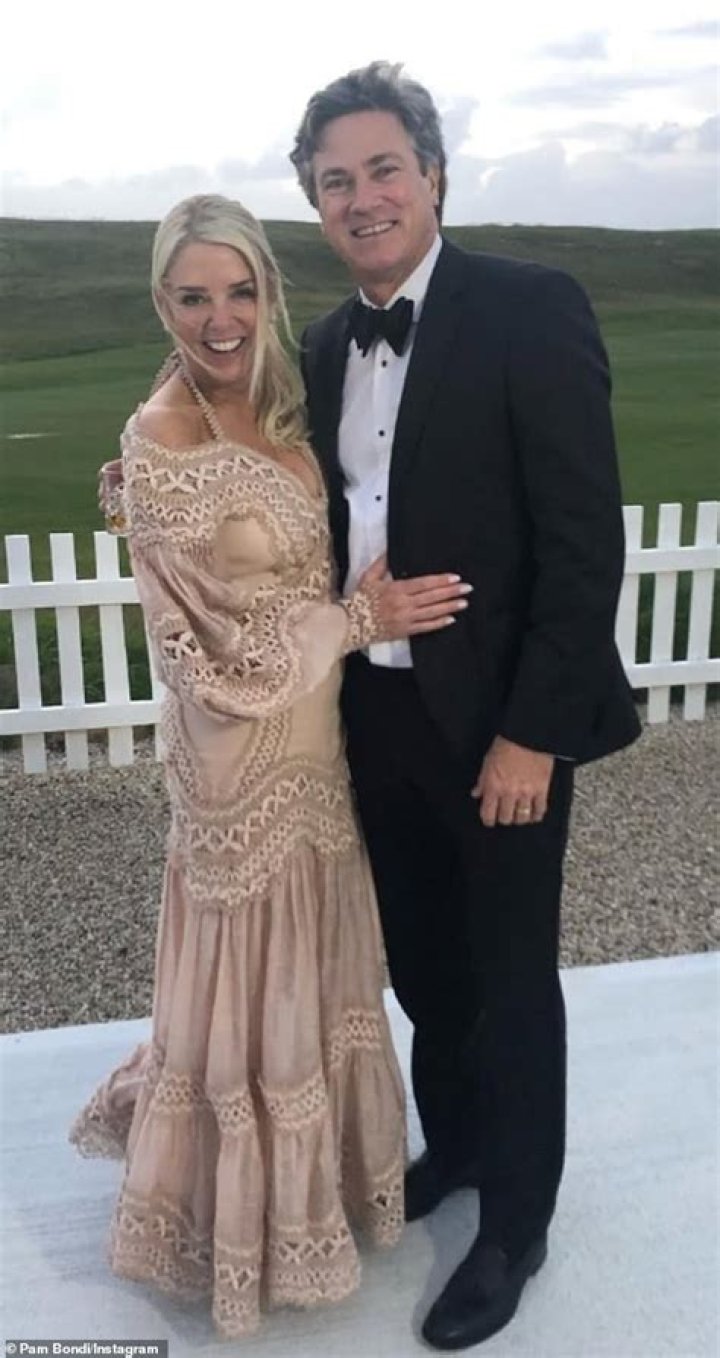
Mary Lovett Frampton was an American artist and art educator. She was born in 1847 in Philadelphia, Pennsylvania, and died in 1931 in Washington, D.C.
Frampton was a talented artist who worked in a variety of media, including painting, sculpture, and photography. She was also a dedicated art educator who taught at the Corcoran School of Art in Washington, D.C., for over 30 years.
Frampton's work is known for its realism and attention to detail. Her paintings often depicted scenes of everyday life, while her sculptures were often of historical figures. She also produced a number of photographs of her students and colleagues.
Frampton was a significant figure in the American art world of the late 19th and early 20th centuries. Her work was exhibited in major museums and galleries both in the United States and abroad. She was also a member of several prestigious art organizations, including the National Academy of Design and the American Federation of Arts.
Frampton's legacy continues to live on through her artwork and her students. Her work is represented in the collections of many museums and galleries, and her students went on to become successful artists and art educators in their own right.
Mary Lovett Frampton
Mary Lovett Frampton was a talented artist and art educator who made significant contributions to the American art world. Here are ten key aspects of her life and work:
- Artist: Frampton was a skilled artist who worked in a variety of media, including painting, sculpture, and photography.
- Educator: She was a dedicated art educator who taught at the Corcoran School of Art in Washington, D.C., for over 30 years.
- Realism: Her work is known for its realism and attention to detail.
- Everyday life: Her paintings often depicted scenes of everyday life.
- Historical figures: Her sculptures were often of historical figures.
- Photography: She also produced a number of photographs of her students and colleagues.
- National Academy of Design: She was a member of the prestigious National Academy of Design.
- American Federation of Arts: She was also a member of the American Federation of Arts.
- Legacy: Her work continues to be exhibited in museums and galleries, and her students went on to become successful artists and art educators.
- Impact: Frampton's work and teaching had a significant impact on the development of American art in the late 19th and early 20th centuries.
Frampton's work is a valuable contribution to the American art world. Her paintings, sculptures, and photographs provide a unique glimpse into the life and times of her era. Her work continues to be admired and studied by art historians and enthusiasts alike.
| Name: | Mary Lovett Frampton |
| Birth: | 1847, Philadelphia, Pennsylvania |
| Death: | 1931, Washington, D.C. |
| Occupation: | Artist and art educator |
| Known for: | Realism, everyday life scenes, historical figures, photography |
Artist
Mary Lovett Frampton was a versatile artist who explored various mediums to express her creativity. Her expertise in painting, sculpture, and photography allowed her to capture the world around her in diverse and captivating ways.
- Painting: Frampton's paintings often depicted everyday scenes and landscapes, imbued with a sense of realism and attention to detail.
- Sculpture: Her sculptures, frequently portraying historical figures, showcased her ability to render three-dimensional forms with precision and grace.
- Photography: Through photography, Frampton documented her surroundings, capturing moments in time and preserving the likenesses of her students and colleagues.
Frampton's mastery of multiple artistic mediums not only demonstrated her technical skills but also her passion for exploring different modes of expression. Each medium allowed her to convey unique aspects of her artistic vision and connect with audiences in diverse ways.
Educator
Mary Lovett Frampton's role as an educator was an integral aspect of her artistic career. Her dedication to teaching at the Corcoran School of Art in Washington, D.C., for over three decades significantly impacted the lives of countless students and the broader art community.
Frampton's passion for teaching was evident in her approach to instruction. She believed in providing her students with a comprehensive and well-rounded art education, emphasizing technical skills, artistic expression, and a deep appreciation for art history. Her commitment to fostering artistic growth and nurturing young talent was a driving force behind her long tenure at the Corcoran School of Art.
The practical significance of Frampton's dedication to education lies in the legacy she left behind. Many of her students went on to become successful artists and art educators themselves, carrying forward the knowledge and skills they acquired under her guidance. Her influence extended beyond the classroom, shaping the artistic landscape of Washington, D.C., and beyond.
In conclusion, Mary Lovett Frampton's role as an educator was a vital component of her artistic identity. Her commitment to teaching fostered a love of art in her students and contributed to the development of the American art scene. Her dedication to education serves as a reminder of the profound impact that educators can have on the lives of their students and the broader cultural landscape.
Realism
Mary Lovett Frampton's unwavering commitment to realism played a pivotal role in shaping her artistic identity and the reception of her work. Her meticulous attention to detail and dedication to accurately capturing the world around her set her apart as a skilled and perceptive artist.
Frampton's realism extended beyond the mere depiction of physical forms; it encompassed a profound understanding of the human condition. She sought to portray the complexities of everyday life, capturing both the beauty and the challenges of the human experience. Her paintings often depicted scenes of domesticity, motherhood, and the changing seasons, imbuing them with a sense of authenticity and emotional resonance.
The significance of realism in Frampton's work lies in its ability to connect with viewers on a deeply personal level. By presenting familiar subjects and experiences with honesty and precision, she invited viewers to engage with her art on an intimate level. Her commitment to realism transcended the boundaries of aesthetic preferences, becoming a means of bridging the gap between artist and audience.
In conclusion, Mary Lovett Frampton's dedication to realism was not merely a stylistic choice but an integral aspect of her artistic philosophy and practice. Her ability to capture the essence of everyday life with unwavering accuracy and depth of feeling allowed her to create works that continue to resonate with viewers to this day.
Everyday life
Mary Lovett Frampton's artistic focus on everyday life played a significant role in shaping her unique style and artistic vision.
- Depiction of Ordinary Moments: Frampton's paintings captured the essence of ordinary moments, portraying domestic scenes, family interactions, and the changing seasons with authenticity and sensitivity.
- Emotional Resonance: By depicting familiar and relatable subjects, Frampton's art evoked a sense of emotional resonance with viewers, allowing them to connect with her work on a personal level.
- Social Commentary: Frampton's paintings often reflected the social and cultural norms of her time, providing a glimpse into the daily lives and customs of the late 19th and early 20th centuries.
- Historical Significance: Frampton's body of work serves as a valuable historical record, documenting aspects of everyday life that may have otherwise been overlooked or forgotten.
Frampton's dedication to portraying everyday life in her art not only showcased her technical skills but also revealed her deep understanding of the human condition. Through her paintings, she celebrated the beauty and significance of ordinary moments, inviting viewers to appreciate the often-overlooked aspects of daily existence.
Historical figures
Mary Lovett Frampton's sculptures frequently depicted historical figures, showcasing her interest in historical events and notable individuals. This facet of her work offers valuable insights into her artistic style and thematic preoccupations.
- Commemoration and Legacy: Frampton's sculptures served as a means to commemorate historical figures and preserve their legacy for future generations.
- Historical Accuracy: She meticulously researched her subjects to ensure the accuracy of her sculptures' physical features, clothing, and overall portrayal.
- Symbolic Representation: Frampton's sculptures often embodied broader historical themes and ideas, using historical figures as symbols to convey messages about society and human nature.
- Artistic Inspiration: Historical figures provided Frampton with a rich source of inspiration, allowing her to explore different artistic styles and techniques.
Frampton's sculptures of historical figures not only demonstrate her artistic prowess but also reflect her deep appreciation for history and her commitment to creating works that resonated with the past and present.
Photography
Mary Lovett Frampton's photographic endeavors played a significant role in her artistic practice and personal life, offering unique insights into her relationships and artistic community.
- Documenting Artistic Circles: Frampton's photographs captured candid moments and formal portraits of her fellow artists, students, and colleagues, providing a glimpse into the artistic circles of her time.
- Preserving Personal Connections: Beyond their artistic value, these photographs served as a means for Frampton to document her personal relationships, preserving memories of friendships and collaborations.
- Exploring Photographic Techniques: Frampton's experimentation with photography allowed her to explore new artistic possibilities and techniques, expanding her creative repertoire.
- Capturing Historical Moments: Some of Frampton's photographs depict significant events and gatherings within the art community, serving as historical records of the era's artistic landscape.
Frampton's photographs not only showcase her technical skills but also reveal her dedication to capturing the human experience, both within and beyond the realm of art. Through her lens, she documented the lives and relationships that shaped her artistic journey, leaving a valuable legacy for future generations.
National Academy of Design
Mary Lovett Frampton's membership in the National Academy of Design (NAD) held significant implications for her artistic career and legacy.
- Recognition of Artistic Achievement: NAD membership was a mark of distinction, recognizing Frampton's exceptional talent and contributions to the field of art.
- Networking and Collaboration: As a member, Frampton gained access to a network of renowned artists, fostering collaborations and exchanging ideas.
- Exhibition Opportunities: NAD regularly hosted prestigious exhibitions, providing Frampton with a platform to showcase her work and gain wider recognition.
- Influence on American Art: NAD played a pivotal role in shaping American art, and Frampton's membership placed her at the forefront of artistic developments and trends.
Frampton's affiliation with the National Academy of Design not only elevated her artistic standing but also contributed to her legacy as a respected and influential figure in the American art world.
American Federation of Arts
Mary Lovett Frampton's affiliation with the American Federation of Arts (AFA) was an integral aspect of her artistic career and advocacy for the arts.
- Promoting American Art: As a member of the AFA, Frampton actively participated in promoting American art and artists, both within the United States and internationally.
- Networking and Collaboration: The AFA provided a platform for Frampton to connect with fellow artists, art educators, and art enthusiasts, fostering collaborations and exchange of ideas.
- Exhibitions and Publications: The AFA organized prestigious exhibitions and published influential art journals, giving Frampton opportunities to showcase her work and contribute to art discourse.
- Arts Advocacy: Through the AFA, Frampton played a role in advocating for policies and initiatives that supported the arts and art education.
Frampton's involvement in the American Federation of Arts not only benefited her own artistic journey but also demonstrated her commitment to the broader advancement of the arts in America.
Legacy
Mary Lovett Frampton's artistic legacy extends beyond her lifetime, continuing to be celebrated and shared with subsequent generations.
- Exhibitions and Collections: Frampton's artwork continues to be featured in prestigious museums and galleries, both in the United States and abroad. This recognition attests to the enduring quality and significance of her artistic contributions.
- Artistic Inspiration: Frampton's work serves as a source of inspiration for contemporary artists, influencing their techniques, styles, and subject matter.
- Educational Impact: As an influential art educator, Frampton's legacy is carried on through her former students, many of whom became accomplished artists and educators themselves, perpetuating her dedication to art education.
- Preservation of Artistic Heritage: The continued exhibition and preservation of Frampton's work contribute to the preservation of American artistic heritage, ensuring that her contributions remain accessible and appreciated by future generations.
Mary Lovett Frampton's legacy as an artist and educator is evident in the enduring presence of her work and the impact she has had on countless individuals in the art world. Her artistic vision and commitment to education continue to inspire and enrich the American art landscape.
Impact
Mary Lovett Frampton's contributions to the American art scene extended beyond her own artistic creations, as she also played a pivotal role in shaping the next generation of artists through her teaching.
- Nurturing Artistic Talent: As an esteemed educator at the Corcoran School of Art, Frampton mentored and guided countless aspiring artists, providing them with the skills, knowledge, and inspiration to pursue their artistic endeavors.
- Promoting Realism and Technique: Through her teaching, Frampton emphasized the importance of realism and technical proficiency, instilling in her students a deep understanding of form, composition, and the nuances of artistic expression.
- Encouraging Artistic Exploration: While emphasizing technical foundations, Frampton also encouraged her students to explore their own artistic styles and subject matter, fostering a spirit of experimentation and creativity.
- Legacy Through Students: The impact of Frampton's teaching extended far beyond her classroom, as her former students went on to become influential artists and educators themselves, carrying forward her legacy and shaping the American art landscape for decades to come.
Mary Lovett Frampton's dedication to art education played a significant role in shaping the course of American art history. Her influence can be seen in the work of her students and the broader artistic community, leaving a lasting mark on the development of American art in the late 19th and early 20th centuries and beyond.
Frequently Asked Questions about Mary Lovett Frampton
This section addresses common inquiries and misconceptions surrounding Mary Lovett Frampton, providing concise and informative answers to enhance understanding of her life, work, and legacy.
Question 1: What artistic media did Mary Lovett Frampton primarily work with?
Answer: Frampton was a versatile artist who excelled in various mediums, including painting, sculpture, and photography, showcasing her diverse artistic skills and dedication to exploring different modes of expression.
Question 2: What was the predominant style or approach evident in Frampton's artwork?
Answer: Frampton's work is characterized by its strong adherence to realism, capturing the essence of everyday life and historical events with meticulous attention to detail and a keen eye for accurately portraying the human condition.
Question 3: How did Frampton's role as an art educator shape her artistic journey?
Answer: Frampton's dedication to teaching at the Corcoran School of Art played a pivotal role in her artistic development. It provided her with a platform to share her knowledge, inspire aspiring artists, and stay engaged with the broader art community.
Question 4: What significant contributions did Frampton make to the American art scene?
Answer: Frampton's contributions to American art were multifaceted. As an artist, she created a substantial body of work that reflected the social and cultural norms of her time. As an educator, she nurtured generations of artists, passing on her skills and passion for art.
Question 5: How is Frampton's legacy preserved and celebrated today?
Answer: Frampton's legacy continues to be honored through exhibitions of her artwork in museums and galleries. Her work remains an inspiration to contemporary artists and serves as a valuable record of American art history.
Question 6: What distinguishes Frampton's artistic style from her contemporaries?
Answer: Frampton's unwavering commitment to realism and her ability to capture the nuances of everyday life set her apart from many of her contemporaries. Her work often depicted scenes of domesticity and familiar moments, imbuing them with a sense of authenticity and emotional resonance.
In conclusion, Mary Lovett Frampton's multifaceted contributions to American art and education have left a lasting impact on the art world. Her legacy continues to inspire and inform artists and art enthusiasts alike.
Transition to the next article section:
To further explore Mary Lovett Frampton's life, work, and artistic style, delve into the following sections:
Tips from Mary Lovett Frampton
Mary Lovett Frampton, a renowned artist and educator, shared valuable insights and advice throughout her career. Here are some of her notable tips:
Tip 1: Embrace Realism: Frampton emphasized the importance of capturing the true essence of life in art. By observing and accurately depicting the world around you, you can create authentic and meaningful works.
Tip 2: Master Technical Skills: Strong technical skills form the foundation of great art. Dedicate time to practicing and honing your abilities in drawing, painting, or your chosen medium.
Tip 3: Seek Inspiration in Everyday Life: Art is not limited to grand subjects. Find inspiration in the ordinary moments and overlooked aspects of daily existence.
Tip 4: Nurture Your Artistic Vision: Don't be afraid to experiment and explore your unique artistic perspective. Your vision sets your work apart.
Tip 5: Engage with the Art Community: Connect with other artists, visit exhibitions, and participate in art-related activities. Exchange ideas and learn from the experiences of others.
By following these tips, you can enhance your artistic skills, develop your own artistic style, and create works that resonate with your audience.
Mary Lovett Frampton's legacy as an artist and educator continues to inspire and guide aspiring artists. Her insights provide a valuable roadmap for those seeking to embark on their own artistic journeys.
Conclusion
Mary Lovett Frampton's legacy as an artist and educator stands as a testament to the power of observation, technical skill, and dedication. Her unwavering commitment to realism captured the essence of everyday life, while her passion for teaching nurtured generations of artists.
Frampton's work continues to inspire and inform artists and art enthusiasts alike, reminding us of the beauty and significance found in the ordinary. Her tips and insights provide a valuable roadmap for those seeking to embark on their own artistic journeys.
Unlock The Secrets: Kid And Mom CCTV Video Unveiled
Unlocking Surya Sethupathi's Age: Discoveries And Insights
Uncover The Ultimate Guide To Mom And Kid CCTV: Discoveries And Insights Unveiled
Peter Frampton and his girlfriend (later his wife) Mary Lovett, UK, 29th September 1971 (Photo
peter frampton, mary lovett, 70s Stock Photo Alamy
Mary Lovett Baseline Corp